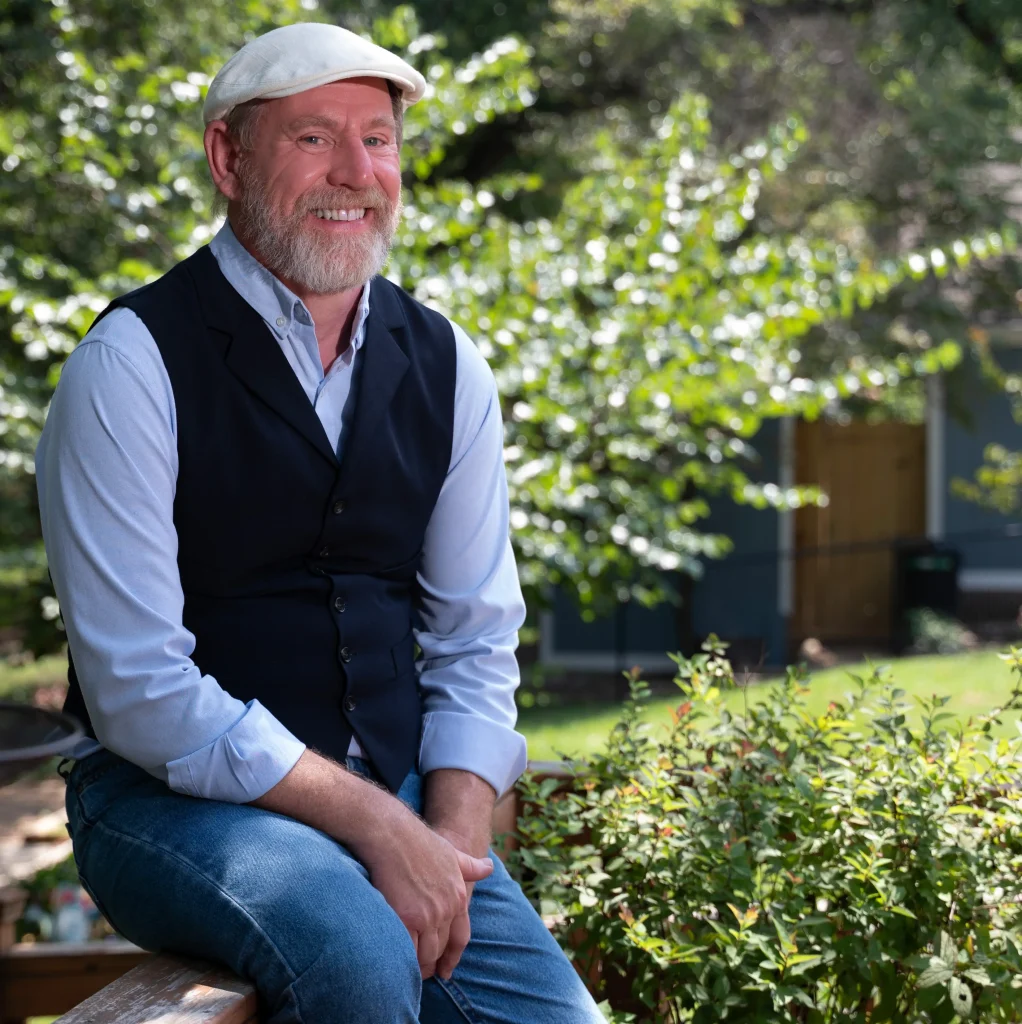
The Author

stephen-pierce-garden-shot updated

Stephen Pierce

For nearly three decades, I either reported on the newsmakers or served as a spokesman for them. When the opportunity arose that allowed me to trade all that in to pursue a simpler life, I grabbed it with both hands. Now, I live in a quaint rural setting in East Texas with my beautiful wife and two dogs, and not too far from my children and grandchildren. When I’m not trying my hand at writing novels, I’m exploring ways to be creative in the kitchen, garden or workshop.

I got into the journalism world via the Air Force, which allowed me to write about military life in Louisiana, Spain, Saudi Arabia and California. I succumbed to the lure of traditional journalism and landed at a daily newspaper in Northern California. I worked my way up from the copy desk to associate business editor. The necessities of life eventually forced me to branch out into the more lucrative world of marketing and public relations. Bookending this career focused on communications were jobs stuffing hams, selling carpets and kitchen cabinets, managing a restaurant and running a county fair. Along the way, I earned degrees in public affairs, industrial technology and public administration.

All of this eclectic experience means I have plenty of real-life experiences to draw upon to build characters for my writing. The Clark Solo series (Invisible Defense and Expunged so far) is my first foray into writing fiction. I hope you enjoy reading these books as much as I had writing them.

FAQs

What inspired you to write Invisible Defense?
I tasked myself with connecting a couple of seemingly innocuous bits from Invisible Defense. The first being Tory Avlah, a character inspired by a criminal trial I observed during the summer between my junior and senior years at Pittsburg High School. The colorful attorney went to great lengths to convince the jury that the facts of the case, as he presented them, were just way too bizarre not to be true. They didn’t believe him, but the case has stuck with me all these years. When I got serious about novel writing, I started thinking: What if that lawyer was telling the truth? What would that story be? The second bit was Joey Maldoon, a barely mentioned teen in the first book who breaks up with Lana with no explanation. How these two random events could connect really amazed me.
Invisible Defense touches on a variety of “invisibilities” in our lives. The emotional abandonment we feel from the death of or betrayal by a loved one can make us feel invisible. There are also people who are defending you, but go unseen and are invisible, in a manner of speaking. The book also explores in a very organic way the ever-present component of faith that exists in our lives and exposes their belief or disbelief in an invisible defender.
Invisible Defense is a pragmatic description in one sense. Defense attorney Greg Vernier introduces the idea of invisibility as a possible defense. It also references the invisible defenders in our lives. Expunged comes from the legal concept of removing something from the record. Clark’s investigation into dozens of murders could remove a false narrative from the record and expose the truth about them. When we confess our hidden pasts, we are also expunging the hold secrets have on us.
The biggest challenge in writing my first novel was getting beyond the overwhelming notion I was writing a book. Once I got it into my head that writing a chapter was essentially the same thing as writing a newspaper article, the task became less daunting. The complexities of a follow-on book surprised me. These people already had lives. I couldn’t just make it up as I went along. In a lot of ways, I felt more like I was reporting on their lives instead of making up a story about them.
Yes, there are several unanswered questions that I want to know the answers to just as much as I hope my readers do. The Clark Solo series is not my only writing project. I have a story in the works that explores life in a postwar environment in the United States. This is not historical fiction, but a look into the future and the consequences of a society fractured by social extremism.
I don’t have any expectations of how my characters will develop. I start with a premise and ask the same questions over and over again, “What would or could naturally happen next?” “Would or could this character do this?” “Does this feel real or forced?” This makes the writing process as unveiling to me as it is to the reader.
The correct legal answer is that all of my characters are entirely fictional, but that doesn’t mean bits and pieces of people and experiences in my life didn’t lend a hand in creating them. In a lot of ways I identify with Clark, but he isn’t a fantasy version of me based on my experiences as a reporter. In some ways, I wish I could be more like Pastor Dan. I envy how comfortable he is when it comes to sharing his faith. Sometimes my books borrow from my life, like a court case I observed or being a single dad buying a training bra for my daughter.
Depends on what you expect from the Christian fiction genre. If you are looking for a good book that doesn’t promote unbiblical values or rely on explicit sex and foul language to make characters feel real, then yes, my books fall into the Christian fiction genre. If you think the genre creates unrelatable characters overly saturated with self-righteousness, then no, my books don’t fall into that category. But if you are looking for a good read and appreciate people being honest about their faith or lack of faith in a very organic manner, then my books are for you. I realize some readers might relate to their struggles while others might argue with their perspectives, but I don’t think they will find anything about them forced to fit some preconceived notions.